Before hitting the trails, it’s essential to gather the proper equipment, including the best hunting socks. Blister-free hunting socks can be overlooked when hunters prepare for their trips, but your socks play a crucial role. With the right hunting socks, you can keep your feet warm, dry, and blister-free while out in the woods.
As you look for new hunting socks, find out more about what hunting socks are and the right type of hunting socks to pick to receive the most benefits.
What Are Hunting Socks?
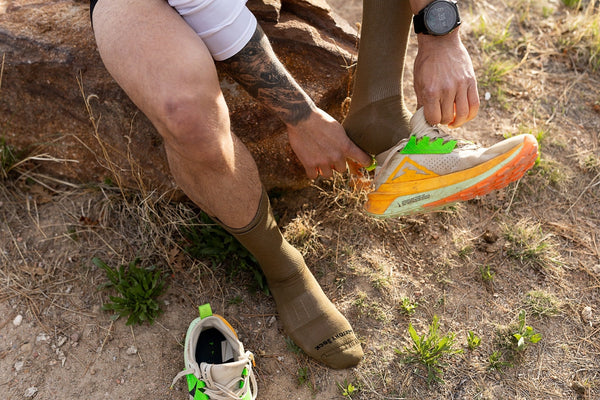
Hunting socks are boot socks for hunter boots designed to keep a hunter’s feet protected while out fishing or hunting. Since they’re made to fit in hunter boots, they tend to be longer, with most hunting socks in crew or over-the-calf lengths.
Why Are Hunting Socks Different?
In contrast to regular socks, hunting socks are usually made out of multiple fabrics to wick away moisture and keep your feet warm. For example, you’ll often see high-quality hunting socks made out of a combination of warm Merino wool and a moisture-wicking polyester blend. Alongside the materials they use, hunting socks are almost always fairly long to ensure they can provide a layer of protection between the boot and the hunter’s leg.
Hunting socks also usually have cushioning to keep a hunter’s feet comfortable while they hike through the woods or stand for a long time while fishing. Since hunting is a more rugged activity, hunting socks tend to be far more durable than standard socks. Additionally, premium hunting socks should have an anti-blister design to prevent blisters from ruining a hunting trip.
Are Thin or Thick Socks Better for Hunting?
Usually, thicker socks are better for hunting since they offer greater temperature regulation, durability, and skin protection. By choosing a thicker hunting sock, you can prevent your skin from rubbing up against your boots and stay warm throughout the entire hunt. If you like to hunt in the summer, you’ll still likely want a thicker sock made out of Merino wool, as this material is very breathable and provides moisture-wicking to keep your feet cool and free from sweat.
What Socks Do Hunters Wear? Are Merino Wool Hunting Socks a Good Choice?
While a hunter’s preferred socks will vary, many hunters trust Merino wool hunting socks. Since Merino wool is comfortable, temperature-regulating, durable, and odor-resistant, socks made with Merino wool are an excellent choice for most hunters. Hunters who’ve dealt with blisters before or who simply want to prevent them also often wear double-layer, blister-free hunting socks for maximum blister protection.
Are Wool Hunting Socks a Good Choice?
Though Merino wool hunting socks are a great choice, you’ll want to avoid standard wool hunting socks. Unlike Merino wool, standard wool tends to feel itchy and is less breathable. While regular wool will keep your feet warm in the winter, it will make your feet far too hot in the summer, trapping heat and making your feet sweat. Due to the many disadvantages of standard wool, make sure to check that any wool hunting socks you buy are made with Merino wool.
4 BENEFITS OF BLISTER-FREE HUNTING SOCKS
Blister-free hunting socks offer numerous benefits beyond their anti-blister guarantee. Check out four of the top benefits of anti-blister hunting socks below:
1. Hunting Socks Pair with Your Moisture-Wicking Boots
The best hiking boots offer moisture-wicking technology to help keep your feet dry. But they won’t help if you’re wearing moisture-retentive socks. Ordinary cotton socks absorb moisture, defeating the purpose of high-quality boots. To get the best use out of your moisture-wicking boots, select a pair of anti-blister hunting socks. Their dual layer technology will wick sweat and moisture away from your feet!
2. Hunting Socks Keep Feet Warm–But Not Sweaty
Wool socks are great for keeping your feet warm on cold mornings. But sometimes that can be too much of a good thing. If your feet get too warm, they’ll start sweating. Hunters know that once their feet begin to sweat, they’ll likely be dealing with unpleasant foot odor and maybe even blisters.
That’s why it’s essential to select hunting socks that keep your feet both warm and dry. Anti blister hunting socks give you all the warming benefits of wool socks, paired with moisture-wicking technology to keep your feet from growing too sweaty.
Your feet will be happier without blisters, and your hunting partners will appreciate the lack of foot odor!
3. Quick Dry Technology
An additional benefit of blister-free hunting socks is that they dry quicker than traditional cotton socks. So if you get caught in the rain or step into a creek a little deeper than you were expecting, you won’t have to wait all day for your socks to dry out.
The materials of blister-free hunting socks dry quicker than cotton when left out in the sun. But that’s not all! Their moisture-wicking tech means anti-blister socks will grow drier while still on your feet!
4. Wear Your Rubber Boots/Snake Boots Without Worry
Hunters know that rubber hunting boots rarely have the perfect fit. While rubber snake boots are excellent for keeping your feet dry, they’re very good at rubbing your heel and giving you blisters. That’s where your anti blister hunting socks come in!
Anti blister socks provide extra protection in all the high-contact areas of your feet. That protection means reduced friction and less chance for blisters to form. By pairing your snake boots with a pair of blister-free hunting socks, you can duck hunt without the worry of painful blisters!
Wrightsock Anti Blister Hunting Socks: Protection, Wherever the Hunt Takes You
If you’re looking for boot socks for hunting boots that will keep your feet free from blisters all hunt long, Wrightsock can help. At Wrightsock, we’re proud to have developed the best socks for hunting! Whether you’re hiking through wet grass, mud, or creeks, you can count on our anti-blister protection. In fact, all our hunting socks have our 100% no-blister guarantee! So, make sure you or the hunters in your life are equipped with the right anti-blister hunting socks this season.
Review our full selection of anti-blister hunting socks today. If you have questions about Wrightsock, our products, or our anti-blister technology, please contact us.