With hunting season upon us, it’s time to get ready with all the necessary equipment, which includes a good set of hunting socks.
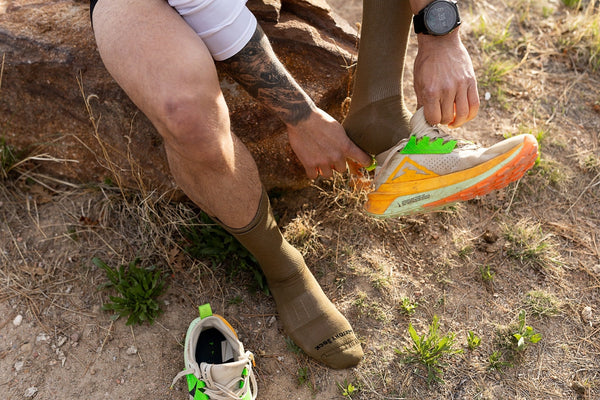
Hunters need socks that will keep their feet warm when they’re in a duck blind for hours. They need protection from blisters on the long hikes up and down the trail. They also need socks that dry quickly in the event of rainy weather.
In other words: hunting socks have their work cut out for them.
Not just any pair of socks will do for your hunting trip. In fact, not even some marketed as hunting socks will do! That’s why we put together this list of tips to help you pick out the best blister free hunting socks.
The Best Hunting Socks Have the Right Materials
Identifying the best hunting socks starts with assessing the materials. Quality or brand means nothing if your hiking socks aren’t made of the right fabrics.
Quick Dry
100% cotton will keep your feet warm, but it will also keep your feet wet. If the weather turns or you step in a puddle, you can count on having soggy feet until you get home. Hiking socks made with Merino wool and polyester, instead of cotton, are the quick-dry hiking socks you’re looking for.
Anti-Blister Design
Blisters are the last thing you want on a hiking trip, as any hunter knows the pain they can cause. Most blisters are caused by a combination of friction, heat, and moisture. And your hiking socks can either prevent blisters–or make things worse. Anti-blister hiking socks wick away moisture, minimize friction, and keep your feet cool to avoid the build-up of sweat. Overly-thick cotton hiking socks can bunch up, adding to blister-causing friction, which is why many hunters choose double-layer socks.
Extra Protection in the Right Spots
Different areas of your feet require different levels of protection. Many hunting socks strategically pad high-impact areas of your feet–a great tactic to add protection while maintaining breathability. However, the best hiking socks do even more. They use strategic inner and outer layers to maximize durability and comfort.
Materials For Outdoors, That Protect the Outdoors
About 85% of textile waste ends up in landfills, meaning the clothing we buy significantly impacts our environment. The best hiking socks help contribute to our environment by using recycled Repreve polyester, which coincidentally happens to be one of the best materials for hiking socks. Choosing hiking socks with recycled materials means you can enjoy the outdoors while contributing to the sustainable treatment of nature.
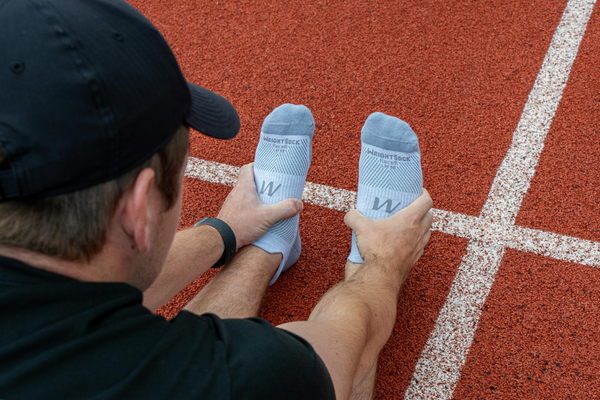
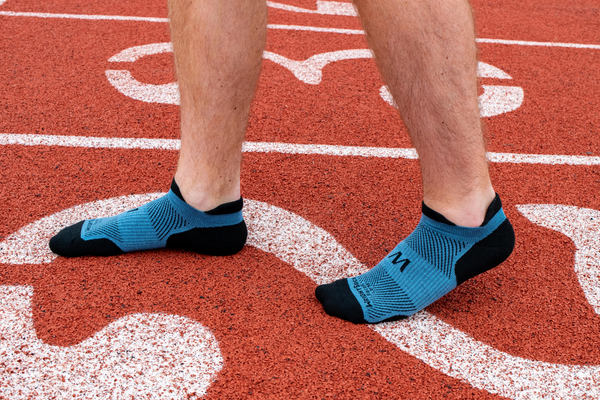
Wrightsock’s Blister Free Hunting Socks
For this hunting season, make sure you’re equipped right, from your bow or rifle down to your boots and socks. At Wrightsville socks, we want to help hunters get the most out of this season, which is why we’re committed to bringing you the best socks you’ll ever wear. We produce our hunting socks with top-of-the-line, sustainable, anti blister materials. And we guarantee you’ll love them.
Choose a pair from our selection of blister-free hunting socks, and say goodbye to blisters.
Happy hunting!