Blisters are one of the most common complaints among runners, but also one of the most preventable. The solution comes down to reducing friction, managing moisture, wearing properly fitted shoes, and choosing performance running socks designed to minimize rubbing.
This guide covers the causes of blisters while running, how to choose the best socks and shoes for prevention, and the steps you can take before and during runs.
What Causes Blisters While Running?
Blisters form when friction, moisture, and pressure cause the top layer of skin to separate from deeper layers, creating fluid-filled pockets. Understanding the three primary causes helps you prevent them effectively.
Friction Is the Main Cause of Running Blisters
Every stride creates contact between your foot, sock, and shoe. Over thousands of steps, a blister can develop when skin is rubbed for a long period, and the repetitive nature of running creates exactly that scenario.1
Rubbing directly against skin causes damage, while friction between fabric layers does not.
Moisture Makes Blisters More Likely
Sweat softens skin, making it more vulnerable to rubbing forces. Longer distances and warmer conditions increase perspiration, highlighting the importance of understanding how to keep feet cool while running to help reduce friction and blister risk.
Poor Shoe Fit Creates Pressure Points
Shoes that fit too tight create pressure at the heels, toes, and arches. Shoes that are too loose allow your foot to slide, generating extra friction.
Common blister locations include:
- Back of the heel: From excessive rubbing against the shoe collar
- Between toes: From compression and moisture buildup
- Ball of the foot: From pressure during push-off

The Best Socks for Preventing Running Blisters
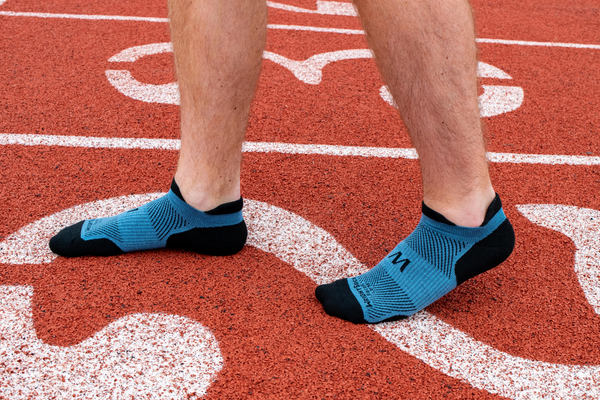
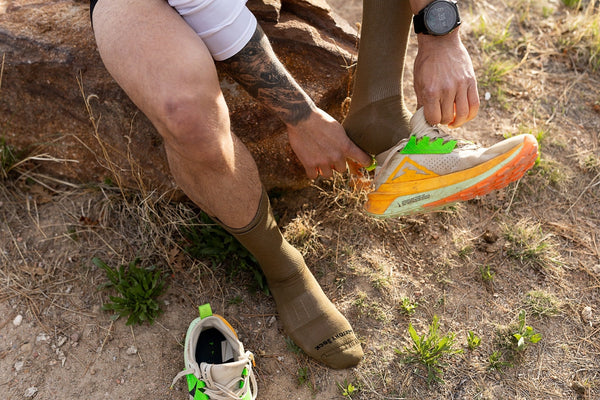
Your socks are the most controllable factor in blister prevention because they sit directly against your skin. Understanding what running socks are helps you make smarter choices about material, fit, and the best sock length for running.
Choose Moisture-Wicking Running Socks
Synthetic blends like polyester and merino wool wick moisture from your feet, keeping skin drier and more resistant to friction. Look for anti-blister running socks with targeted cushion zones that reduce pressure without adding bulk.
Why Double-Layer Socks Help Prevent Blisters
The construction of double layer socks works on a simple principle: the inner layer moves with your foot while the outer layer moves with the shoe. Friction happens between the two fabric layers instead of against your skin, especially benefiting runners covering longer distances.
Avoid Cotton Socks
Cotton soaks up moisture and dries slowly, softening the epidermis and increasing friction. Performance socks designed for running with technical fibers are always a better choice.
Learn more about other running sock features that separate running socks from everyday options.
How Proper Shoe Fit Helps Prevent Blisters
Even the best socks cannot fully compensate for poorly fitting footwear. Shoes and socks work together as a system.
Make Sure Your Toe Box Has Enough Room
Leave about a thumb's width between your longest toe and the front of the shoe. Feet swell during runs, so extra room prevents cramping and friction. This avoids blisters while running as it prevents irritation and blister formation even before a run.
Prevent Heel Slippage
Excessive movement at the heel is a leading cause of heel blisters. Lock lacing techniques can secure your heel without requiring new shoes.
Break In New Running Shoes Gradually
Start with shorter runs so stiff materials can soften and mold to your foot, which is essential for avoiding blisters with new shoes. Save new shoes for training, not race day. For help on pairing footwear, start with looking into what socks to wear with running shoes.
Additional Tips to Prevent Blisters on Long Runs
Blister risk increases with mileage as friction and moisture accumulate. Runners prone to blisters should pay extra attention to these strategies.
Address Hotspots Early
Hotspots are warm, irritated areas signaling a blister is forming. Stop to apply tape, moleskin, or a sterile bandage. Carry a small blister kit on longer runs.
Use Lubricants or Anti-Chafing Products
Petroleum jelly or anti-chafing balm like Vaseline on heels and toes helps reduce friction. These products work best alongside proper socks and shoe fit, not as replacements.
Keep Feet Dry Whenever Possible
Consider changing socks during long-distance events or wet conditions. Synthetic materials like acrylic or nylon help keep moisture away from your feet.2
Additional moisture management strategies include:
- Foot powder: Absorbs excess sweat before runs
- Breathability: Breathable socks help runners who sweat heavily
- Trimmed toenails: Reduces pressure inside the shoe
Choose Socks Designed for Distance Running
Longer runs demand more from your gear. The right socks with targeted cushioning and advanced moisture management make a measurable difference. Browse long distance running socks built for marathons and high-mileage training to help you on your long-distance goals.
Common Blister Prevention Mistakes Runners Make
Avoiding these errors helps keep your feet comfortable mile after mile, whether you are road running or trail running.
Wearing the Wrong Socks
Everyday socks lack moisture-wicking fabrics and friction-reducing construction. Purpose-built performance running socks are a simple upgrade with real results.
Ignoring Early Signs of Friction
Small hotspots become painful blisters quickly when ignored, leaving you to wonder whether you should pop the blisters or leave them alone. Stop, check your feet, adjust lacing, and apply a bandage before problems escalate.
Assuming Shoes Are the Only Cause
To effectively prevent foot blisters, you need a complete system:
- Socks: The layer between your skin and everything else
- Shoes: Proper fit prevents pressure points and slippage
- Moisture control: Keeps skin dry and resilient
- Proactive foot care: Early intervention stops problems before they start
Choosing blister-focused performance socks helps reduce irritation at the point where moisture, movement, and shoe contact meet.

Stay Comfortable and Blister-Free with Wrightsock
For runners, Wrightsock supports these goals with double-layer, moisture-wicking performance socks designed to help keep feet comfortable.
Wrightsock's double-layer construction redirects friction away from your skin, while moisture-wicking performance fibers keep feet dry. Made in the USA with recycled fibers in synthetic options, every pair is backed by a blister-free guarantee.
Explore our socks for running and walking or browse the full collection of men's and women's socks to find your fit.
Sources:
- NHS Inform. Blisters. https://www.nhsinform.scot/illnesses-and-conditions/injuries/skin-injuries/blisters.
- MedlinePlus. Blisters. https://medlineplus.gov/blisters.html.