Getting into trail running first of all means starting slowly on beginner-friendly trails. But just as importantly, wearing the right shoes and socks (yes, there are specific double layer trail running socks!), and focusing on comfort over speed. Terrain, elevation, and footing create new physical demands, but trail running is approachable when you prioritize exploration and endurance over pace.
This guide covers essential gear, how to start safely, what to wear, and common mistakes to avoid so you can build confidence from your first run.
What Is Trail Running?
If you're wondering what trail running is, it's simply running on natural surfaces instead of paved roads. Compared to road running, trail running typically involves more hills, so you'll be going downhill and uphill while managing uneven surfaces.
How Trail Running Differs from Road Running
When you leave pavement, you encounter dirt paths, forest floors, gravel, and rocky terrain. And your success on trails depends on adapting to constantly changing ground. Key differences include:
- Runners shorten their stride and adjust their rhythm frequently (cadence and the impact on muscles are different as well)
- Walking steep sections is standard practice, even for experienced runners
- Effort matters more than speed or pace
Why Trail Running Appeals to Beginners
Surprisingly, many newcomers find trails less intimidating than roads. There's no pressure to maintain a specific pace, and the scenery keeps the run interesting.
The sport's accessibility is driving rapid adoption: trail running grew 12.3% from 2022 to 2023, with more than 14.5 million participants.1 Trails vary widely in difficulty, with some smooth and groomed and others featuring rocks and tree roots. This variety makes proper footwear and sock selection more important than beginners often realize.

The Gear You Need to Start Trail Running
You don't need expensive equipment, but two essentials directly impact comfort: shoes and socks.
Trail Running Shoes
Trail-specific footwear provides grip and protection that regular running shoes lack. Key features include:
-
Deeper treads (lugs): Dig into loose surfaces for better traction
-
Rock plates: Shield your feet from sharp objects on the trail
For first outings, choose a versatile trail shoe that prioritizes comfort and stability over aggressive technical features.
Why Socks Matter More Than Beginners Expect
Beginners often ask, "Are running socks worth it?" The answer is yes. Trail conditions expose feet to more moisture, debris, and friction than road running. One of the main benefits of double-layer socks is that the construction absorbs friction between sock layers rather than against your skin.
Consider anti-blister running socks with moisture-wicking properties for reliable blister prevention.
Comfortable Running Clothes and Essentials
Knowing how to layer clothes using simple, lightweight, breathable fabrics that wick sweat is essential. Avoid cotton.
Additional essentials for longer runs:
- Carry water using a handheld bottle or hydration vest for runs over an hour
- Your phone with GPS or a downloaded map for unfamiliar routes
How to Start Trail Running Safely
Building confidence on trails happens gradually through smart choices about where and how you run.
Start with Easy, Beginner-Friendly Trails
Choose flat or gently rolling paths before tackling technical terrain. Explore apps that help locate beginner-friendly trails, and local running clubs offer great opportunities to discover routes with experienced runners.
Use Run/Walk Intervals
Alternating between running and walking isn't just acceptable on trails. Even elite trail runners walk steep uphills to conserve energy. Treat climbs as hiking sections without shame, take it easy on yourself.
Focus on Effort Instead of Pace
Forget your road running pace. Trail speed varies dramatically based on terrain and elevation.
Measure success by time spent moving rather than distance covered. A comfortable 5km trail run represents solid progress for any beginner.
What to Wear for Trail Running as a Beginner
Choosing the right trail running anti-blister socks and apparel directly influences your trail experience.
Moisture-Wicking Socks for Comfort and Blister Prevention
Choosing socks to wear with trail running shoes makes all the difference. Performance socks add trail-ready structure, cushioning, and durability that standard casual socks typically lack. Socks that wick moisture from your skin during athletic activities help prevent blisters on uneven terrain.
Understanding how anti-blister socks work helps beginners match features like fit, breathability, and cushioning to the trail conditions they expect.
Choosing the Right Sock Height for Trails
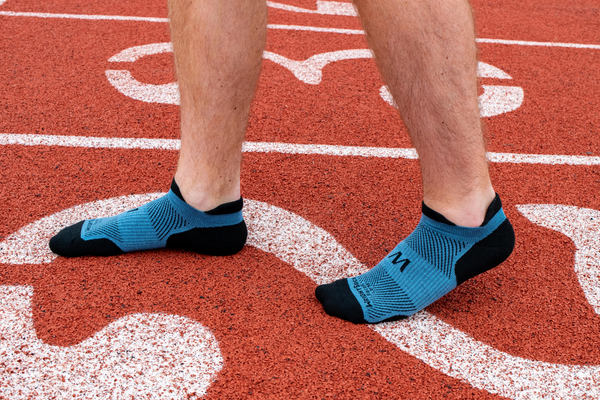
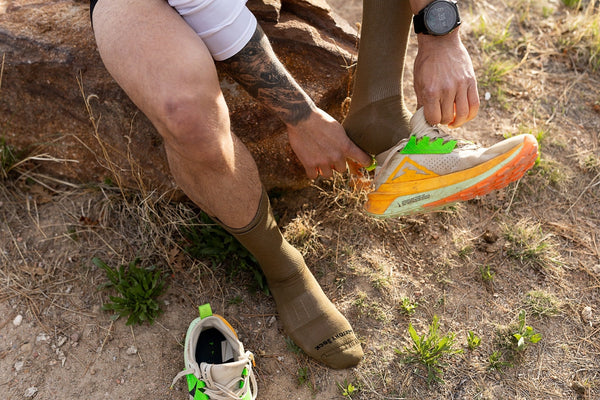
Quarter or crew length socks provide better protection against dirt, gravel, and debris than low-cut styles. When comparing crew socks vs ankle socks, higher coverage shields ankles from trail hazards.
Dressing for Warm-Weather Trail Runs
Trail running in the summer calls for lighter layers and extra hydration. Find the right gear to handle heat, sweat, and rugged terrain. The best setup includes:
- Lightweight, breathable running clothes
- Sun protection: sunscreen, running sunglasses, breathable running hats
- Performance socks designed to prevent blisters in warmer weather conditions
- Hydration packs, water bottles, and Electrolyte supplements
Common Beginner Trail Running Mistakes to Avoid
Watch out for these pitfalls that can derail your early trail experiences.
Starting on Trails and Terrain That Are Too Technical
Steep, rocky, or root-covered terrain discourages beginners. Research confirms that terrain, significant elevation changes, and environmental hazards increase the risk of injury.2 Build skills on easier paths first.
Wearing Cotton Socks
Understanding the difference between wool and cotton socks is crucial. Cotton traps moisture and dramatically increases blister risk where feet encounter more sweat and debris.
Running Too Fast Too Soon
Trail running rewards patience. Increase distance gradually and allow adequate recovery between runs.
Ignoring Comfort and Foot Protection
Poor sock fit or persistent friction can ruin trail running before it becomes a habit. Prioritize foot comfort from day one by taking steps toward preventing blisters.

Build Trail Running Confidence with Wrightsock
Getting started on trails comes down to gradual progression, appropriate terrain, and gear that keeps your feet comfortable.
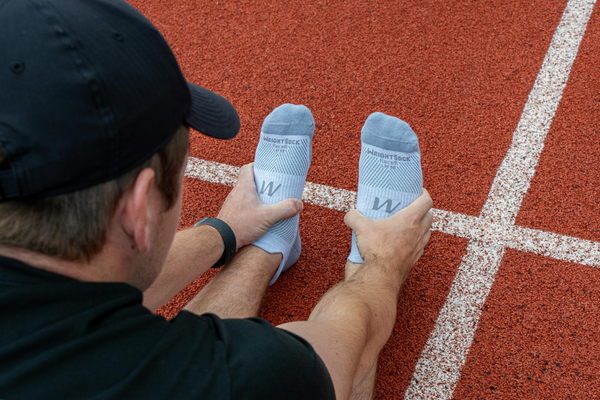
Wrightsock's double-layer trail running socks address the specific challenges beginners face on uneven terrain. The Double Layer system reduces friction before it reaches your skin, while moisture-wicking construction handles varied terrain demands.
A family-owned, American-made brand with decades of blister-prevention expertise, we back every pair of men's and women's socks with a blister-free guarantee.
Sources:
-
Outside Online. A Complete Beginner's Guide To Trail Running. https://run.outsideonline.com/training/a-complete-beginners-guide-to-trail-running/
-
ScienceDirect. Incidence, severity, and risk factors for injuries in female trail runners – A retrospective cross-sectional study. https://www.sciencedirect.com/science/article/pii/S1466853X24001238