Trail running is running on natural, unpaved surfaces like dirt paths, forest trails, and mountain routes instead of predictable pavement. It shifts your focus from chasing pace to adapting to the ground beneath you, making every step part of the experience.
Because the terrain changes constantly, the right gear matters more on trails than on roads. Double layer trail running socks help manage friction, moisture, and comfort through mud, rocks, elevation changes, and everything else the trail throws at you.
What Makes Trail Running Different from Road Running?
Road running happens on predictable, flat pavement. Trail running takes you off-road and onto dirt paths, forest floors, and mountain routes where every step brings something new.
The terrain dictates everything. Your feet constantly adjust to rocks, roots, and elevation changes. This creates more movement inside your shoe than paved surfaces would.
Uneven Terrain and Variable Footing
Trails throw obstacles at you constantly. One moment you're navigating loose gravel, the next you're hopping over exposed roots or sidestepping muddy patches.
This rougher terrain forces your foot to shift and slide inside your shoe. That extra movement generates friction, which leads to hot spots and blisters without the right socks.
Pace Is Less Consistent
Forget holding a steady speed. Trail running demands constant pace adjustments based on terrain:
-
Steep climbs: These might slow you to a hiking pace, which is why understanding the differences between running vs hiking socks helps you prepare for variable speeds and inclines
-
Technical descents: These demand careful footwork and full attention
Your feet experience different stresses throughout a single trail run. That variability is exactly why performance socks built for changing conditions matter more here than on roads.
What Does Trail Running Feel Like?
Picture this: gravel crunching underfoot, fresh air filling your lungs, and a ridgeline vista waiting at the top. Trail running pulls your focus away from your watch and toward the trail ahead. Experienced trail runners say that, versus road runners, the experience feels immersive and meditative. Your attention stays on navigating the route rather than watching your splits.
But trail conditions also expose feet to moisture, debris, and constant rubbing. This makes breathable socks an important factor in overall comfort.

Why Socks Matter in Trail Running
Trail running places unique demands on your feet that road running simply doesn't. Blisters alone affect a significant percentage of runners, depending on conditions, making proper sock selection one of the most practical ways to improve trail comfort.
Moisture Management on the Trail
Trails often involve stream crossings, mud, perspiration, and unpredictable weather. Breathable fabrics like merino wool or synthetics wick moisture from skin and dry faster than cotton, which traps sweat and increases friction.
Friction and Blister Prevention
Constant terrain shifts mean your foot moves more inside your shoe. That generates friction against your skin. The unique design of double-layer socks addresses this problem directly. The layers move against each other instead of rubbing your foot, absorbing friction before it becomes a blister.
Coverage and Protection
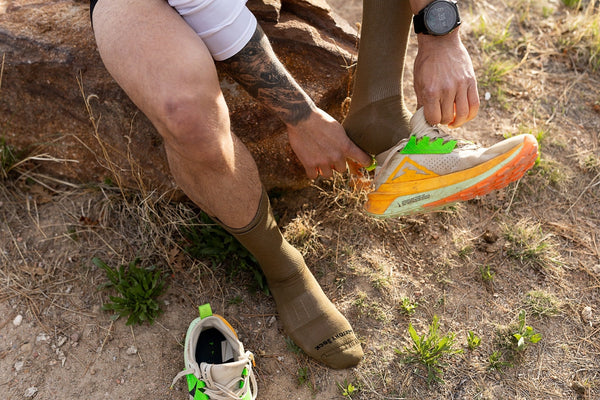
Small rocks, twigs, and dust work their way into low-cut socks on rugged trails. When comparing crew socks vs ankle socks, quarter and crew heights offer better protection against debris and shoe rub on rugged trails.
For guidance on choosing the right height, look into what socks to wear with trail running shoes.
What Gear Do You Need for Trail Running?
Trail running shoes provide deeper lugs for traction and stiffer midsoles for stability. But your socks are the layer closest to your skin, managing friction and moisture in ways shoes cannot.
Other essentials include:
-
Hydration vest or water bottles: Critical for longer outings
-
Moisture-wicking apparel: Keeps your body comfortable in changing conditions
-
Sun protection and headlamp: Prepare for variable light and weather
There are so many factors to consider when trail running. The best way to start your journey, especially for sock choices, is to follow a guide to trail running socks.

Is Trail Running Good for Beginners?
Absolutely. You don't need challenging terrain to start. A local dirt path, park trail, or gravel road works perfectly. Try swapping one road run per week for an easy trail run. Walk steep hills without hesitation.
As a new trail runner, proper gear, especially socks, helps prevent foot blisters and makes learning more enjoyable.
A Simple Example of Trail Running
Running three miles on your neighborhood sidewalk is road running. Cover that same distance on a dirt single-track through the woods with hills and roots, and you're trail running.
Same distance, completely different experience. The terrain changes what you need from both shoes and socks.
Choose Wrightsock for Trail Performance
Trail running demands more from your feet than most beginners expect. Double-layer trail running socks from Wrightsock address these demands directly.
The inner and outer layers move independently, absorbing friction between the sock layers rather than against your skin. This design also helps manage moisture through mud, sweat, and weather changes while keeping socks securely in place.
We are family-owned and made in the USA, with decades of experience crafting performance socks that prevent blisters. Many men's and women's sock styles incorporate recycled fibers, and every pair comes backed by a blister-free guarantee. Explore our full collection to find the right fit for your next trail run.