Summer trail running demands the right gear to handle heat, sweat, and rugged terrain. The best setup includes:
- Lightweight, breathable running clothes
- Trail shoes with a solid grip
- Sun protection
- Performance socks designed to prevent blisters
Your socks matter more than you might expect. Summer conditions amplify blister risk because feet sweat heavily while uneven trails create constant movement inside your shoes.
This guide covers what to wear for summer trail running, from moisture-wicking tops to double-layer trail-running socks that keep your feet comfortable mile after mile.
Why Summer Trail Running Gear Matters
The right setup helps regulate body temperature, reduce chafing, and maintain footing on changing surfaces.
How Heat and Moisture Affect Trail Running Comfort
When temperatures climb, your body produces more sweat. That moisture saturates fabric and skin, and since the most common cause of blisters is friction between skin and footwear, the combination of wet conditions and constant movement on uneven trails creates hot spots quickly.1
Moisture-wicking materials interrupt this cycle by pulling sweat away and helping it evaporate. Cotton does the opposite: it absorbs moisture, clings to skin, and dries slowly. Many runners compare wool vs. cotton socks for better moisture management.
Why Trail Running Requires Different Gear Than Road Running
Trail running shoes need specific features that road shoes don't provide:
- Deeper lugs: Provide traction on loose or muddy surfaces
- Reinforced uppers: Protect against rocks, roots, and debris
- Stable platform: Handle uneven ground and prevent ankle rolls
Your socks and clothing need similar upgrades, higher coverage prevents dirt and rocks from irritating your feet.
If you're new to running off-road, it’s best to follow a guide on what trail running is that covers the basics to help you get started safely and comfortably.
The Best Clothing to Wear for Trail Running in the Summer
Building a reliable trail run outfit starts with choosing lightweight, breathable pieces from head to toe.
Lightweight, Breathable Running Tops
Synthetic or merino running shirts wick sweat and dry quickly. Skip cotton entirely.
Light-colored fabrics reflect sunlight on exposed trails. For extended sun exposure, consider long-sleeve UPF-rated shirts that protect without requiring constant sunscreen reapplication.
Trail Running Shorts for Mobility and Comfort
Look for lightweight running shorts with these features:
- Breathable fabric that manages moisture effectively
- Secure waistband that stays in place
- Small pockets for essentials like gels or keys without bouncing
Built-in liners versus loose-fit comes down to personal preference, both work when the material manages moisture effectively.
Why Performance Socks Matter in Summer
A valid question beginners often ask is: Are running socks worth it? Yes, because your socks sit at the intersection of moisture and friction, two forces that multiply during summer trail runs.
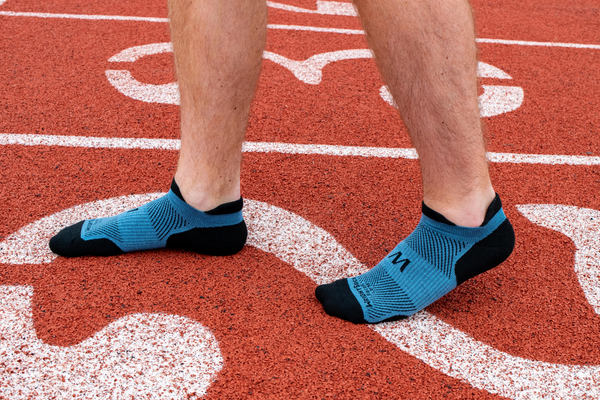
Double-layer socks address both problems: two thin layers move against each other instead of against your skin, absorbing friction before blisters form.

What Socks Work Best for Summer Trail Running?
The best summer trail running socks balance airflow, secure fit, and debris protection.
Lightweight Moisture-Wicking Materials
Certain sock materials help prevent blisters by pulling sweat away from the skin efficiently. This helps moisture evaporate rather than pool against your foot.
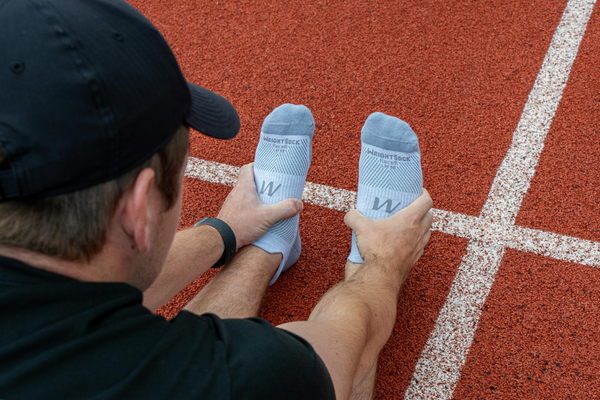
Wrightsock's made-in-the-USA CoolMesh II performance socks offer excellent breathability for warm conditions. Breathable socks are designed for hot-weather performance.
Choosing the Right Sock Height for Summer Trails
|
Sock Height |
Best For |
Key Benefits |
|
Quarter socks |
General summer trail running |
Best combination of airflow and ankle protection |
|
Crew socks |
Brushy or rocky trails |
Superior debris protection where coverage matters more |
Quarter socks work well for most conditions. When comparing crew socks vs. ankle socks, crew socks provide extra protection on technical terrain.
Why Sock Fit Matters on Hot Trails
Feet swell in heat, and loose socks respond by bunching and sliding. Every wrinkle becomes a friction point. For detailed pairing advice, it’s best to follow a guide on what socks to wear with trail running shoes. A snug fit paired with properly fitting trail shoes prevents most hot spots.
Sun Protection and Hydration Essentials
Staying comfortable involves more than clothing choices alone.
Hats, Sunglasses, and Sunscreen
Protect yourself from sun exposure with these essentials:
- Breathable running hat: Shields your face from direct sun
- Running sunglasses with UV protection: Protect your eyes without bouncing
- Sunscreen: Apply to exposed skin before heading out
Hydration for Hot Weather Trail Runs
Carry water on longer or remote summer trails. Choose the right system for your run distance:
- Handheld bottles: Work well for shorter runs
- Hydration packs: Suit extended efforts and remote trails
- Electrolyte supplements: Replace sodium lost through heavy sweating

Common Summer Trail Running Mistakes to Avoid
Even experienced trail runners make preventable errors in summer.
Wearing Cotton Clothing or Socks
Cotton traps sweat against skin, increasing chafing and blister risk significantly.
Overdressing in Hot Conditions
Extra layers trap body heat, so dress lighter than expected. Take steps to keep your feet cool while running since your temperature rises quickly.
Ignoring Sock and Shoe Fit
Poor-fitting or worn-out socks create friction on longer runs. Knowing how often you should replace socks helps maintain optimal performance.
Forgetting Sun Protection or Water
Even short summer runs require preparation. Carry water and sun protection even when the route is short.
How Beginners Can Succeed in Summer Trail Running
New trail runners thrive when they prioritize comfort and smart pacing over speed.
Start with Shorter Runs in Cooler Hours
Early morning or evening runs help you avoid peak heat. Begin on familiar, shorter trails to build confidence.
Prioritize Comfort Over Pace
The biggest tip for how to get into trail running for beginners is to be comfortable. Trail running is effort-based rather than pace-focused. Hills, terrain, and heat slow every runner down, so concentrate on consistency instead.
Stay Comfortable All Summer with Wrightsock
Summer trail running rewards those who choose gear that manages heat, moisture, and friction effectively. Performance socks rank among the most impactful pieces because they directly influence blister prevention and comfort.
Our double-layer trail running socks are built for demanding warm-weather conditions. Every pair features:
- Anti-blister double-layer construction
- Advanced moisture management
- Quality manufacturing in the USA
Explore our full collection of men's and women's socks to find the right fit for your next trail adventure.
Sources:
-
Cleveland Clinic. 5 Ways To Avoid Blisters (and the Best Way To Treat Them). Published 2023. https://health.clevelandclinic.org/5-ways-to-avoid-blisters-and-the-best-ways-treat-them