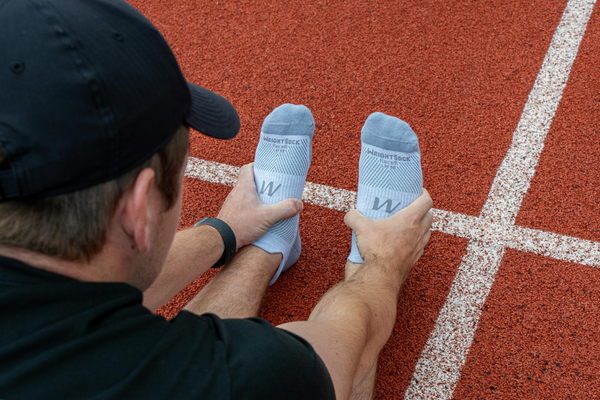
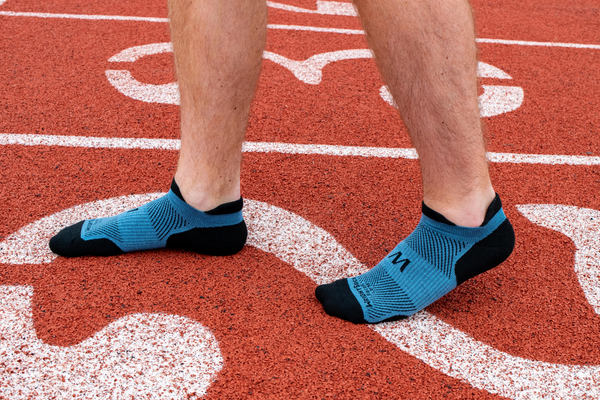
When it comes to wool vs cotton socks, the differences go far beyond texture. These two fibers have distinct qualities that affect everything from moisture control to temperature regulation and even odor resistance. So, are wool socks better than cotton? Let’s pull back the layers and see what sets these two everyday materials apart.
The Basics: How Wool and Cotton Differ
At first glance, wool and cotton might seem similar when you shop for socks. After all, they’re both breathable, soft, and natural. But what is Merino wool, exactly? It’s an animal fiber shorn from sheep, while cotton is a plant-based fiber spun from fluffy cotton bolls. And if we’re talking about the ultra-fine, buttery-soft Merino wool in particular, this material is known for its performance edge.
Cotton: Soft, Breathable, but Moisture-Absorbing
Cotton fibers allow air to flow, which is why cotton socks are popular for lounging, quick errands, or mild days. But cotton socks absorb moisture and hold onto it.
Cotton absorbs a lot of moisture and dries slowly. This makes blistering more likely to happen if you’re active or on your feet for long stretches of time. In contrast, wool-lined socks, especially those made from Merino wool, naturally repel moisture, keeping your feet dry and reducing the chance of blisters.
Wool: Nature’s Performance Fiber
Merino wool takes comfort and performance to a whole new level. Each Merino fiber is like a tiny coil spring, naturally elastic and breathable. This unique structure makes Merino the foundation of truly breathable socks, wicking moisture away from your skin and dispersing it into the air, so your feet stay dry, cool, and blister-free.
Moisture Management: The Real Game-Changer
Moisture is the silent culprit behind blisters, odor, and discomfort. The right pair of socks keeps it away from your skin entirely. That’s where wool vs cotton socks part ways most dramatically.
Cotton’s Drawback: Moisture Retention
Cotton acts like a sponge. It soaks up sweat and holds onto it, which might feel fine at first, but as that moisture lingers, your skin becomes softer and more vulnerable to friction. Anyone who’s hiked in damp cotton socks knows the feeling of soggy feet that never seem to dry out, followed by discomfort that only gets worse as the day goes on. Even worse, damp cotton traps bacteria, leading to odor and irritation.
Wool’s Advantage: Wicking and Breathability
Merino fibers pull moisture away before it turns to sweat. This means your feet stay dry, even when you’re pushing through miles of trail or back-to-back workouts. The inner layer wicks moisture while the outer layer disperses it, keeping friction low and comfort high.
Temperature Control and Comfort in Socks
Comfort is also about how well your socks work with your body’s natural temperature changes. Your socks should help your feet adapt to any weather or day, without feeling too hot or cold.
Wool Keeps You Warm (and Cool)
It’s a common misconception that wool is just for winter. In reality, Merino wool is one of the most temperature-adaptive fibers in the world. The same fibers that insulate against cold also allow heat and moisture to escape when it’s warm. This means that wool socks can manage temperature effectively.
So if you’ve ever wondered, “Are wool socks warmer than cotton?”, the answer is yes, but lightweight wool socks are also cooler when you need them to be. Merino wool is an excellent choice not just for winter but also provides comfort during summer.
Cotton for Casual Comfort
For lounging, quick errands, or low-activity wear, cotton socks are a simple and comfortable choice. But if your day involves long hours on your feet, temperature shifts, or physical activity, cotton simply can’t compete. It lacks the thermoregulation that Merino wool socks offer, so your feet can quickly swing from cold to sweaty to cold again.
Odor Resistance and Hygiene
Merino wool naturally resists odor thanks to lanolin and its protein-based fibers, which repel bacteria and lock in freshness.
Cotton lacks this defense, trapping moisture and encouraging bacterial growth, so cotton socks need frequent washing and tend to hold odor over time.
Durability and Longevity
Merino wool’s elastic fibers give it lasting strength, helping socks hold their shape and cushioning through miles of wear. Cotton fibers, in contrast, break down and lose their snug fit more quickly. For long-term comfort and resilience, wool is the clear winner.
Why Merino Wool Socks Are Worth It
So, when it comes down to it, are wool socks better than cotton? Definitely. Merino wool outperforms cotton in almost every category: moisture control, odor resistance, temperature regulation, and durability.
Wrightsock’s Double-Layer Advantage
Our Double Layer® design eliminates friction by letting the inner and outer layers move independently, preventing blisters.
Many styles feature recycled fibers, reflecting how wool socks support sustainability through reduced waste and a smaller footprint. Every pair is Made in the USA, ensuring consistent quality.
Keep Your Feet Cool and Comfortable with Wrightsock
Your sock choice matters. Cotton suits short, easy days, but Merino wool performs when you’re active, keeping feet dry and odor-free.
Wrightsock combines sustainable materials and USA-made quality to create the best lightweight wool socks for every occasion. Explore our collection for breathable comfort that lasts through every run, hike, and workday.
Sources
-
Journal of Textile Science and Technology. “Analysis of Water Absorption of Different Natural Fibers.” https://www.scirp.org/journal/paperinformation?paperid=112956.
-
The Wool Handbook. “Chapter 26 - Prospects of wool and woolen products.” https://www.sciencedirect.com/science/chapter/edited-volume/abs/pii/B9780323995986000165?via%3Dihub.
-
Journal of Tissue Viability. “The influence of sock composition on the appearance of foot blisters in hikers.” https://societyoftissueviability.org/wp-content/uploads/2022/08/Review-1_Sock.pdf.
-
Australian Wool Innovation Limited. “Merino wool proven to have superior thermoregulation advantage for athletes, backed by breakthrough research.: https://www.wool.com/news-events/news/dynamic-breathability-jun25/.