When selecting new apparel this winter, it’s important to keep the textile waste crisis in mind. Choosing natural and sustainable clothing can make a real difference in supporting the environment at large. But how can you know whether the clothing you buy helps support sustainability efforts?
Fortunately, materials like merino wool are the perfect blend of high-performance materials and environmental-friendliness. It’s why Wrightsock has created an entire line of high-quality blister-resistant merino wool socks. But what exactly about merino wool makes it so sustainable?
Here’s how merino wool supports fashion sustainability!
Merino Wool is Natural
Merino wool is 100% natural, meaning it doesn’t contain all the harmful chemicals and bio-products of other textile materials. It’s also renewable and animal-friendly. One Merino sheep can grow up to five pounds of wool every year, and shaving sheep is a healthy and necessary step for their well-being.
Wool is composed solely of amino acids and natural compounds, so there’s no need to worry about toxic chemicals leaching into the soil or ocean after you’re finished with them–or your body, for that matter. There’s a reason why wool has been used as a sustainable source of clothing for thousands of years!
Merino Wool is Biodegradeable
Perhaps merino wool’s greatest sustainability benefit is its biodegradability. When buried in soil for twelve months, merino wool breaks down into carbon and nutrients. That means your merino wool socks will continue to contribute to the planet’s natural cycle of rejuvenation once you’re finally done with them.
With used textile products filling up landfills and polluting our natural environment and oceans, it’s important we make responsible choices of the fabrics we’re choosing for our clothes. And fortunately, merino wool checks all the boxes when it comes to sustainability.
Other Benefits of Merino Wool Socks
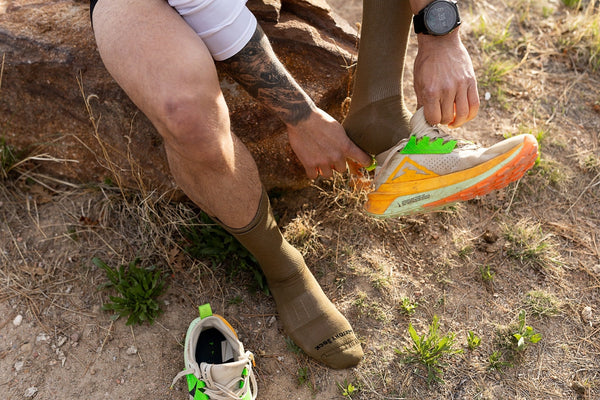
Your merino wool socks aren’t just sustainable. They also make for some of the best hiking and exercise footwear.
Merino wool’s natural temperature-regulating properties make it ideal for keeping your feet cool, even as you exercise. Wool is a breathable fabric, which allows for moderation of temperature and quick-drying abilities. Those properties mean your feet will remain cooler and drier, which makes for a decreased chance of blisters.
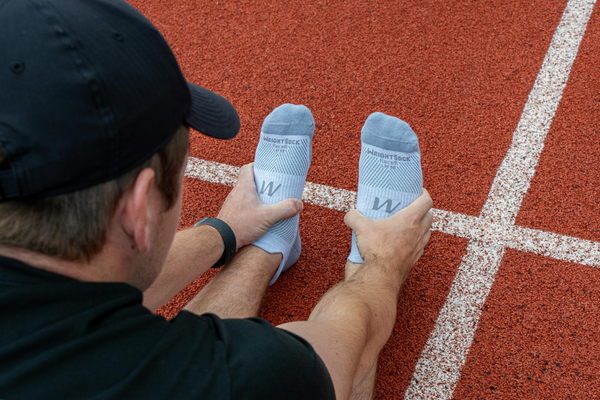
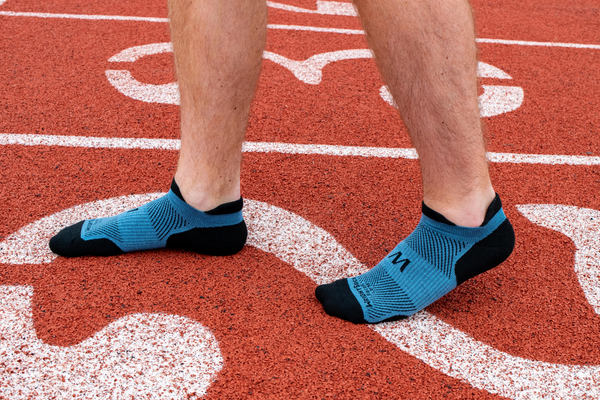
Wrightsock has taken the benefits of merino wool and added to them, by pairing merino wool with our dual-layer technology. Our dual-layer merino wool socks protect high-impact areas of your feet while wicking away sweat. So say goodbye to blisters!
We’re so sure of our dual-layer merino wool socks’ blister-preventing properties, we’ve given them our 100% blister-free guarantee!
Wrightsock: Your Source of Sustainable, Anti-blister Merino Wool Socks
Wrightsock is proud of our high-quality merino wool socks. Whether it’s our Merino Hike Crew Anti Blister System, Merino Coolmesh II Quarter Anti Blister System, or any other of our merino wool products, we can guarantee blister-proof satisfaction and all the sustainability effects of natural, renewable, and biodegradable materials.
Are you interested in learning more about merino wool or our anti-blister socks? Reach out to us today!