After a long day at work, the last thing you want is to get home, take your boots off, and find a bunch of painful blisters on your feet. If you work a physically demanding job, your choice of footwear is essential to your performance while working and your feet’s health over time.
As you look for a pair of well-made, anti-blister work socks, find out more about what qualities you should look for in your next pair.
How to Choose the Best Socks for Work Books
Most people know that a solid, well-made pair of boots is important when it comes to proper footwear, but one piece of the puzzle that’s often overlooked is what type of socks you pair with your work boots. If you want to avoid discomfort, sore feet, and blisters, review the top four qualities to look for in a pair of work socks below:
1. High-Quality Material
A high-quality work sock will be made of material that is both moisture-wicking and breathable. Cotton socks will absorb the sweat you generate while working, leading to soggy feeling feet and a higher risk of blisters. As a result, you should avoid work socks made out of cotton and instead go with a pair made out of materials that will keep your feet dry and blister-free!
In the winter, you’ll want to opt for socks made of Merino wool. Like standard wool, Merino wool will keep your feet warm in cold weather, but unlike standard wool, Merino wool is very breathable and has moisture-wicking properties that excel at keeping feet dry.
When it gets hotter outside, a synthetic combination of materials like polyester and nylon will keep your feet dry and cool. Polyester will also provide some stretch to your socks while still giving you the support you need.
2. Cushioning & Support
If you stand all day for your job, your feet can take a beating. Socks with extra cushioning and support are essential for folks who are on their feet for most of the day while working. Areas like the heel and ball of the foot are especially sensitive to bruising, and injuries to those areas can take forever to heal.
Since extra cushioning can prevent foot pain and better protect sensitive areas of the foot, you’ll want to look for socks with cushioning and support. A pair of double-layer sports socks is an excellent choice for folks who want an extra layer of protection on their feet and greater protection from blisters.
3. Durability
A good pair of work socks should be able to withstand all of the hours you’ll be putting in to earn your pay. Selecting a pair featuring a double-layer design will reduce the risk of hot spots, which can wear away material and cause holes to form. Checking product reviews is also a great way to make sure that the work socks you’re buying will stand the test of time.
Another way to determine whether a sock will hold up over the long haul is to check if they’re made in America. Since socks made in America tend to be made with better workmanship and materials, they’re usually more durable than those made outside of the country.
4. Length
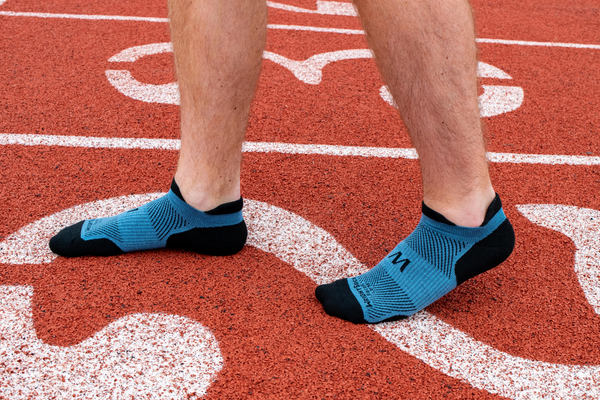
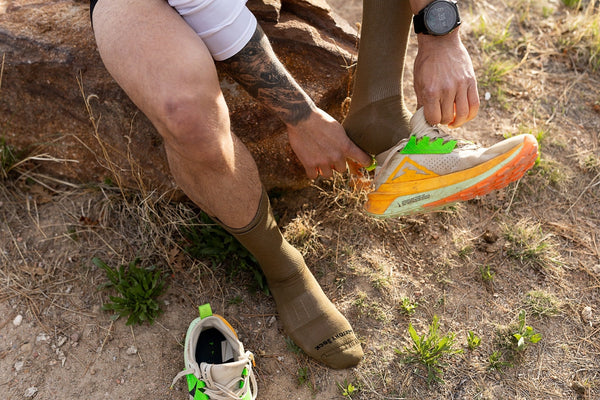
Length is another important factor to consider when it comes to selecting work socks. You don’t want your socks to be too short, as low-cut socks can cause your ankles to rub against the boot, leading to skin irritation and blisters. A pair of calf-high socks will offer your legs protection without feeling restrictive. If you prefer a shorter sock, consider a Lo Quarter, as this size will still protect your ankles.
Wrightsock: A Great Choice for Work Socks
If you’re shopping for a quality pair of cool men’s work socks, choose Wrightsock. We offer a wide range of double-layer work socks manufactured to the highest standard in America. Since our double-layer socks are designed to eliminate the three main causes of blisters (heat, friction, and excess moisture), we’re confident they can give your feet unbeatable protection and comfort while you work. Our double-layer socks also feature a No Blister Guarantee, meaning we’ll give you your money back if you get a blister while wearing them.
Review our full selection of work socks today. If you have any questions or want help choosing a pair, please contact us.