While socks might not be the first thing on your mind when you think about roller skating, they’re essential for your comfort out on the rink. Roller skaters often struggle with blisters and soreness, and these issues are often caused by wearing low-quality socks that struggle to combat the main causes of skating blisters. In contrast, the right pair of roller skating socks can help you stay comfortable, improve your grip inside the boot, prevent blisters, and keep your feet dry throughout the session.
If you want to understand why socks are so important, review our guide to the best socks for roller skating and the main features to look for when choosing your next pair.
Why Do Roller Skating Socks Matter?
Roller skates are designed to fit snugly. That tight fit means your feet press directly against the boot’s interior as you move. Pushing off, practicing spins, or stopping suddenly creates constant friction, which often leads to blisters.
Without socks, your feet have no barrier against the boot. Sweat builds up in the shoe, softening skin and making it more vulnerable to rubbing. This combination causes painful blisters that may keep you off the rink until they heal.
Socks for roller skating are essential for preventing these problems. A well-chosen pair keeps your feet protected and ensures you can enjoy longer, more comfortable skating sessions.
6 Qualities to Look For in Roller Skating Socks
From increasing your feet’s grip and wicking away sweat to protecting your ankles from blisters and improving your overall comfort, the best roller skating socks can do wonders for your experience on the rink.
If you’d like to receive all the benefits of a good pair of roller skating socks, learn more about the top six qualities to look for in the best roller skating socks below:
1. Made With Moisture-Wicking Fabric
Moisture is one of the biggest contributors to blisters. Unfortunately, many roller skating socks are made from moisture-absorbing materials like cotton or standard wool. Each of these materials will trap sweat, leading to discomfort and a nasty-smelling pair of skates.
Unlike cotton or standard wool, fabrics such as Merino wool and polyester move sweat away from your skin, keeping your feet dry and preventing odor from building up inside the skates. Wicking away sweat also helps your skin stay stronger and less prone to irritation, making polyester or Merino wool socks a must.
2. Thick Enough to Absorb Shock and Cushion the Feet (Or Thin Enough to Improve Your Precision)
Most skaters benefit from wearing thick roller skating socks that provide cushioning for the feet and absorb shock. This type of construction prevents sore spots and reduces the chance of blisters forming in high-pressure areas.
Some skaters, however, prefer thinner socks because they help them improve their grip on their boots, boosting precision and allowing for more control during technical movements.
In general, choose thicker socks for comfort during casual or extended sessions, and opt for thinner socks when focusing on precise footwork.
3. Strategic Cushioning and Seamless Toes
Padding placed in the right areas, such as the heel, toe, and arch, makes a noticeable difference in the comfort of socks for rolling skating. With this extra cushioning, the sock can better absorb friction while you skate and reduce soreness after you’re done.
A seamless toe design is another important feature, as it removes the irritating ridge that can rub against your toes and cause blisters.
4. Taller Than the Roller Skate
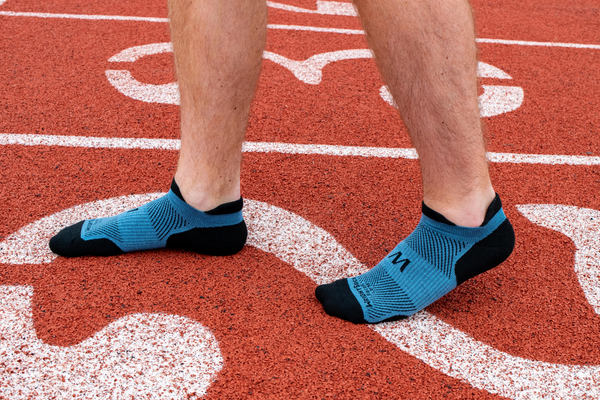
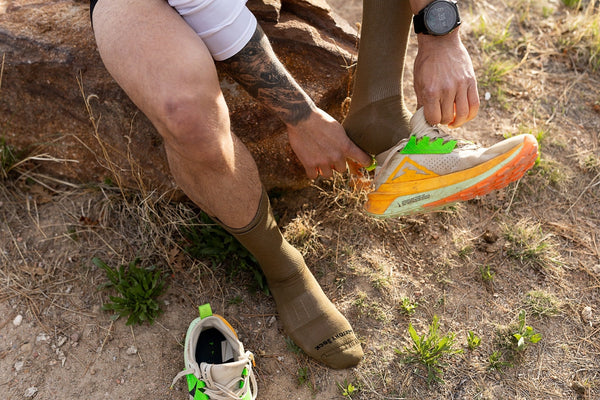
Long socks for roller skating do more than add style. Crew and over-the-calf socks protect your ankles and lower legs from rubbing against the top of the boot. Shorter socks, such as ankle cuts, often leave skin exposed to friction, which leads to irritation and discomfort.
5. Mesh Vents
Even socks made with moisture-wicking fabrics can benefit from ventilation. Mesh zones across the top of the foot increase airflow, keeping your feet cooler during intense activity.
Better breathability limits sweat buildup, reduces overheating, and helps protect your skin from blisters.
6. Double Layer Design
Blisters are common among new skaters as they get used to the pressure and movements of roller skating. Double-layer socks address the three main causes of blisters—heat, friction, and moisture—by separating the work of each layer.
The inner layer wicks away sweat and helps regulate temperature, while the outer layer absorbs friction before it reaches your skin. This design dramatically reduces the chance of painful blisters and keeps you skating comfortably for longer.
Choose Wrightsock for Double Layer Anti-Blister Roller Skating Socks
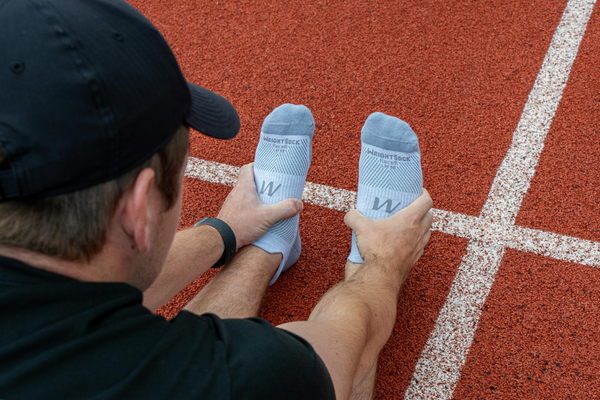
If you’re looking for anti-blister roller skating socks, Wrightsock can help. Our wide selection of double-layer socks makes it simple to find a pair in the right height, thickness, and style. They also feature seamless toes and are crafted from moisture-wicking fabrics, such as Merino wool, to deliver an exceptional experience. Want thinner socks? Our lightweight line of socks is likely right for you!
Learn more about our double-layer roller skating socks today.