With winter coming to an end, now’s the time to begin preparing for track and field season! That means steadily building your strength and stamina, engaging in healthy stretching, and equipping yourself with the right track and field equipment.
As the weather warms, don’t forget to stock up on sweat-wicking clothing, well-fitted shoes, and—yes—performance running socks! While socks can sometimes be overlooked as an essential part of track and field equipment, the right anti-blister running socks can make all the difference in your track and field performance.
Stop Blisters Before They Form
Painful blisters are most likely to form when athletes first hit the track, which can threaten to derail spring training and put them behind all season long. Remember: last year’s calluses may have grown soft over the winter months, leaving your feet vulnerable to the damage that can lead to foot blisters. Also, those new track shoes you got for Christmas can exacerbate hot spots if they aren’t properly broken in.
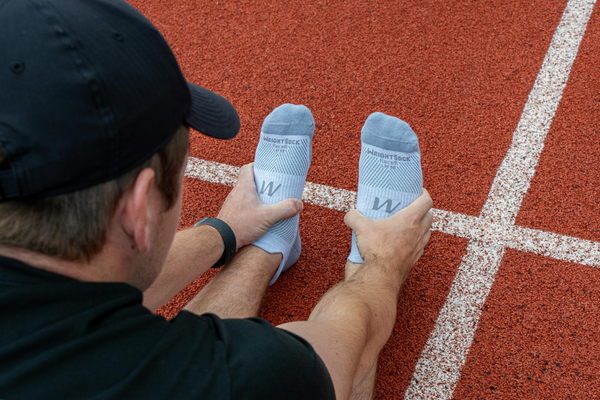
That’s why anti-blister running socks play a vital role as athletes prepare for track and field season. Socks like Wrightsock’s Running II Anti-Blister System are the perfect choice for athletes looking to keep their feet protected from painful blisters as they work back into peak form. These performance running socks are equipped with double-layer technology to protect hot spots while wicking away the moisture that leads to blisters.
That way, nothing slows athletes down as they train for their sprints, distance, and relay competitions!
High Performance Means High Impact
Track and field athletes put extraordinary pressure on their feet. Hurdlers and participants in jumping events subject their feet to repeated high-impact collisions. Even Shot-Put, Javelin, and Discus throwers rely on their feet to create the foundation for their necessary torque. Their feet need all the protection they can be afforded, as even minor injuries and blisters can impact performance.
That’s why the experts at Wrightsock recommend the Endurance Double Tab, the perfect double-layer sock for all track and field requirements.
Nothing to Slow You Down
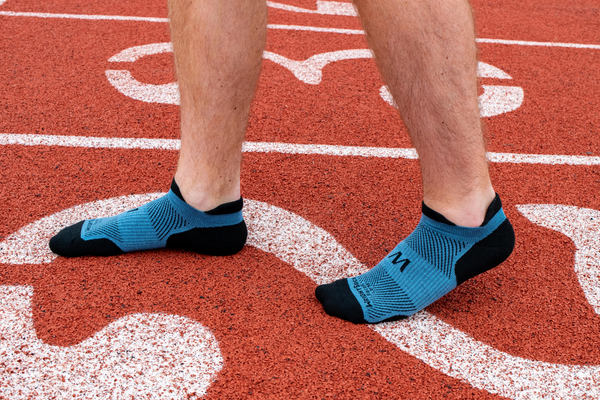
Some track and field athletes prefer a minimal feel from their shoes and running socks, as a few extra ounces on their feet can impact the time on their splits. For these athletes, single-layer running socks are a perfect choice, such as the Ultra Thin Tab.
Made from the best materials, athletes can trust their feet will remain comfortable, protected, and unencumbered as they race toward the finish line.
Wrightsock: Helping Track and Field Athletes Succeed
Wrightsock is proud to equip track and field athletes with the best performance running socks to help them succeed. No matter your specific category of track and field competition, you require the best protection for your feet, and Wrightsock has the quality and selection you’re looking for.
Check out our running sock collection for a complete list of track and field options!
Do you have any questions about Wrightsock and our double-layer socks anti-blister guarantee? Reach out to us to learn more today!