Whether you’re a seasoned runner or a casual hiker, you’ve likely had a blister on your foot and wondered if you should pop it or not. While blisters can be annoying, it’s often not a good idea to drain them. However, if a blister is extremely painful, you’ll need to know how to drain it safely and get back to exercising comfortably. Find out more about what blisters are and when it is and isn’t recommended to drain them.
What Is a Blister?
A blister is a fluid-filled bubble that forms between the bottom layers of your skin and the layers above them. Generally, the bubble is filled with blood or clear liquid. Blisters most commonly come from having your skin pinched, sustained rubbing of your skin, burns caused by the sun or friction, and excess moisture. Additionally, runners and hikers often experience blisters due to their shoes and socks rubbing against their skin while exercising.
Should You Pop a Blister on Your Feet or Ankles?
Since blisters can be itchy and painful, you might be tempted to pop them, especially if they’re in a location that interferes with running. While you might gain some temporary relief from popping a blister on your ankle or foot, the blister could become infected if you don’t drain it properly.
Due to the potential for infection, popping a small blister isn’t recommended. Instead, you can cover it up with a bandage and use padding while you wait for it to go away on its own. Generally, blisters tend to heal in a few days, so taking a little time off from running can usually clear the issue up and give you blister relief without having to risk infection.
However, if you have a larger blister that’s particularly painful, the American Academy of Dermatology Associations says you can drain the blister as long as you do it safely. To properly drain a blister, you’ll first need to sterilize a small needle with rubbing alcohol. Next, pierce an edge of the blister with the sterilized needle to allow the blister to drain.
While you drain the blister, make sure you don’t remove the blister’s roof. Since this layer of skin helps protect the rawer skin underneath it, you’ll want to avoid peeling it off. After you’ve drained the blister, wash the blister with soap and water to protect it against infection. Finally, apply petroleum jelly to the blister and cover it with a bandage.
How to Prevent Blisters While Exercising
If you’d rather not have to decide whether you should drain a blister or leave it be, the best strategy is to prevent them from forming in the first place. Avid runners and hikers can stop blisters in their tracks by following a few best practices:
- Use a lubricant: One way you can keep friction low and reduce the chance of blisters while hiking or running is to add a lubricant to your feet. For example, you can put petroleum jelly on areas of your feet where you regularly get blisters before putting on your socks and shoes. Just make sure to only lubricate your feet lightly, as too much of it can cause your feet to slide around inside your shoes.
- Invest in cushioned insoles: Cushioned insoles are another proven way to reduce blisters, as a study found they reduced the risk of blisters forming by 25%. Since insoles add extra cushioning, they can absorb excess friction and make a run or hike more comfortable.
- Find shoes that fit you: When you wear shoes or boots that are too small, they can pinch your feet and create extra friction. Both of these factors can result in blisters, so it’s best to find shoes that leave a little bit of room. Since feet tend to swell on a run, a running shoe should be slightly bigger (usually, around half a size higher) than your everyday shoes.
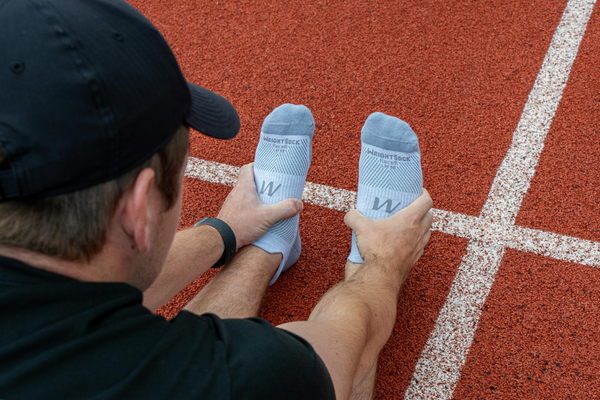
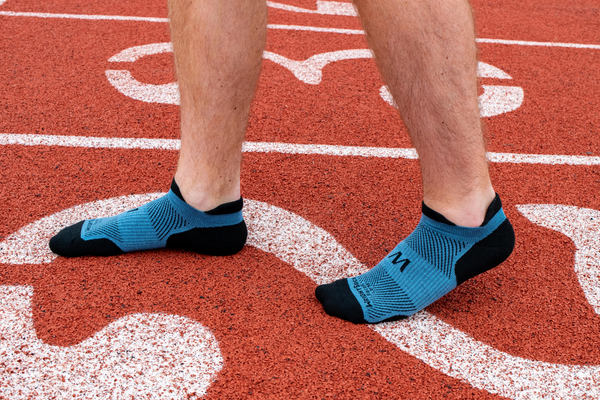
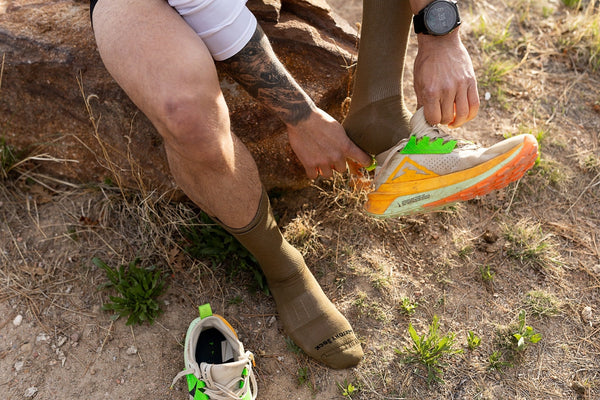
- Wear anti-blister socks: A great pair of anti-blister socks can do wonders for your feet and stop blisters from forming. Since anti-blister socks are designed to wick away moisture, absorb friction, and stop your feet from overheating, they prevent blisters. By wearing these socks while you engage in repetitive exercises, such as hiking, running, or cycling, you’ll reduce the stress on your feet and stay protected.
Choose Wrightsock for Anti-Blister Socks
At Wrightsock, we aim to make blisters a distant memory for those with active lifestyles by offering blister-free socks to them. Due to our socks’ double-layer design, they stop the main causes of blisters in their tracks. From running and hiking to cycling and hunting, we have blister-free socks perfect for your favorite activity.
Browse our collection of anti-blister socks today. If you have any questions, please feel free to contact us.