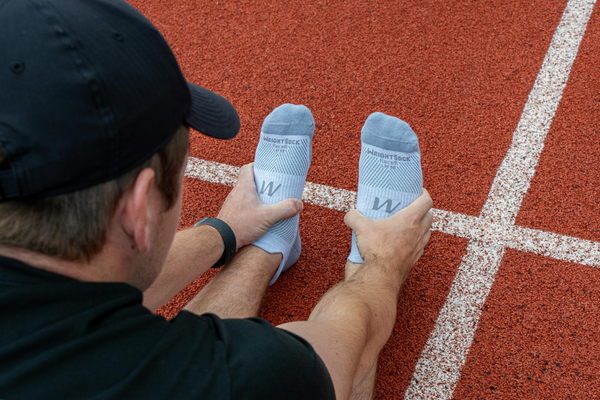
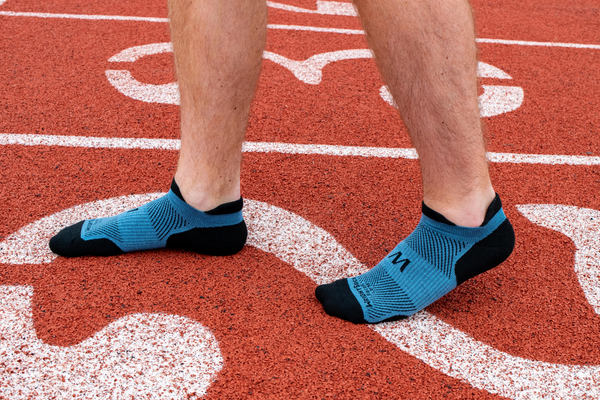
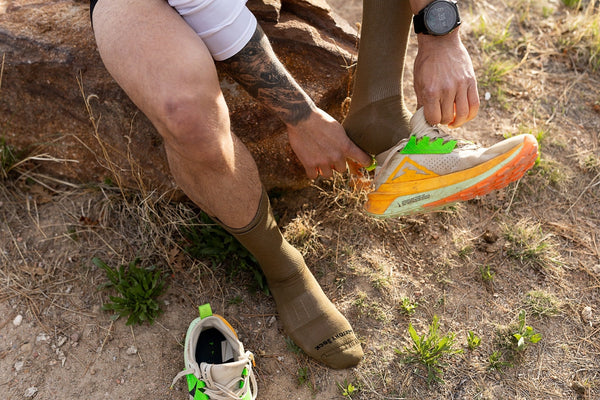
If you run outdoors over the summer, you know how the heat can impact your performance and make it harder to stick to your running routine. The summer’s heat and humidity can be especially discouraging when you don’t have a good pair of socks to keep your feet comfortable and protected from the main causes of blisters. Instead of sticking to an old pair of socks that trap sweat, set yourself up for success this summer by knowing how to pick a great pair of summer running socks.
3 Features to Look for in Summer Running Socks
As you look for the right socks for high temperatures, you can make the best selection possible by ensuring your new socks have a few features. For example, socks with breathable fabric, moisture-wicking properties, and an anti-blister design can increase your comfort and protect you from the heat. Find out more about the top three features to look for in a pair of summer running socks below:
1. Breathable and Light Fabric
When you’re running during the summer, the hot temperatures will make your feet sweat. Just like how you’re probably not going to wear a thick hoodie for a summer run, you don’t want to wear a pair of socks that trap heat while you hit the trail or the pavement. If you don’t have breathable socks, your feet will generate more sweat, increasing your discomfort and the risk of blisters.
To keep your feet dry and comfortable, you’ll want to look for a pair of socks made of breathable and light fabrics. Some of the best fabrics for summer running include polyester, nylon, and merino wool, as each of these fabrics allows for greater ventilation. Since lightweight socks dry faster than bulkier options and feet tend to swell in hot weather, you’ll also want to pick a pair featuring a lighter construction.
2. Moisture Wicking Features
Even with the most breathable fabric possible, your feet will still sweat and generate moisture in your socks. Since sweat can make your feet smell, soften your skin (which makes your feet more susceptible to blisters), and cause your feet to slide around in your shoes, your socks should have moisture-wicking features.
When you’re looking for a pair of moisture-wicking socks, a pair with a double-layer design is one of the best choices you can make. For example, Wrightsock’s double-layer socks feature an outer layer that absorbs friction and an inner layer that wicks away moisture. This design keeps the sweat from building up in your socks and ensures your feet stay dry.
3. Anti-Blister Design
The three main causes of blisters are excess heat, moisture, and friction. As you might expect, the summer’s heat and humidity make it much more likely you have to deal with hot temperatures and excess moisture. If you want to protect yourself from blisters, choose a pair of anti-blister socks specifically made to reduce friction, wick away moisture, and eliminate heat build-up.
You can ensure your socks give you exceptional performance over the summer by choosing a pair of blister-free running socks from Wrightsock. Due to Wrightsock’s patented Double Layer® design, our socks absorb friction to protect your outer layer of skin, wick away moisture before it can build up, and provide the breathability needed to keep your feet cool. As a result, these socks will give you the best blister protection while you run during the summer.
Choose Wrightsock for Anti-Blister Summer Running
If you’re looking for anti-blister running socks made in the USA, turn to Wrightsock. Our blister-free running socks will give you the best in breathability, moisture-wicking, and blister protection, ensuring you stay comfortable and perform at your best. No matter whether you’re training for a marathon or a 5k, you can expect our socks to last for a long time and give you the protection you deserve.
Browse our selection of anti-blister running socks today. If you have any questions, please contact us.