If you’ve ever bought a pair of extra cushion socks, you might be surprised if you get a blister while wearing them. After all, shouldn’t the extra cushioning protect your skin and keep your feet comfortable all day long? While some padded socks for men and women will protect feet from blisters, many struggle to do so for a variety of reasons.
Before you buy a pair of extra cushion socks, learn more about why they can cause blisters and what to look for when searching for blister-free padded socks.
3 Reasons Why Extra Cushion Socks Could Cause Blisters
Extra cushion socks can cause blisters if the socks aren’t designed with moisture management and friction reduction in mind. They can also cause blisters if they’re made with moisture-absorbing materials like wool or cotton. As you look for anti-blister padded socks for men or women, learn more about the three main reasons why some extra cushion socks can cause blisters:
1. Extra Cushion Socks Often Cause Moisture Buildup
Moisture buildup is the primary reason people get blisters while wearing extra cushion socks. If the extra cushion socks aren’t designed with moisture-wicking features, they can end up allowing moisture to build up on your feet and soften the skin. This moisture buildup often occurs when the extra cushion socks aren’t made with breathable fabrics. It also happens when socks don’t have vents or a moisture-wicking design. Without proper breathability or a moisture-wicking construction, the extra cushioning will trap heat around your feet. This trapped heat then causes your feet to sweat, and the lack of moisture-wicking will keep all that sweat in your socks and on your feet. Though many extra cushion socks aren’t designed to wick away moisture or be temperature regulating, double-layer socks offer extra cushioning while still wicking away moisture and allowing heat to escape.
2. Loose Cushion Socks Can Lead to Excess Friction
Friction is another main cause of blisters, and normally, extra cushioning can actually protect sensitive areas of your feet from it. However, people sometimes purchase extra cushion socks that are too loose and don’t fit their feet. When socks are too loose, they can bunch up throughout the day and create friction points. As you walk, the folds in the bunched-up areas will rub against your skin, and over time, the friction from the rubbing will create a blister. Before you purchase a new pair of extra cushion socks, make sure they fit your feet and aren’t loose enough to slip down your ankles. Alongside making sure they’re not too loose, you should avoid socks that feel too tight, as they can create pressure points and restrict movement. Typically, it’s best to stick with a snug-fitting sock that doesn’t restrict your movement or bunch up.
3. Extra Cushion Socks Can Be Made Out of Poor-Quality Materials
If you’re just lounging around at home, extra cushion socks made with materials like cotton or wool shouldn’t give you a blister. While these materials are fine when you’re just relaxing, they can quickly become a nightmare if you wear them while exercising. Standard wool is especially bad, as it traps heat and makes your feet sweat more. Since these materials absorb moisture rather than wick it away, they’ll soak up sweat and lead to blisters even if the socks have a moisture-wicking construction. Instead of choosing padded socks for men and women that are made out of cotton or wool, look for socks constructed with Merino wool and/or synthetic materials. Unlike standard wool that absorbs heat and moisture, Merino wool is comfortable, breathable, temperature-regulating, and moisture-wicking. Additionally, synthetic materials, like polyester and nylon, can assist with moisture-wicking and help the socks retain a snug fit.
Choose Wrightsock for Double-Layer Extra Cushion Socks for Men and Women
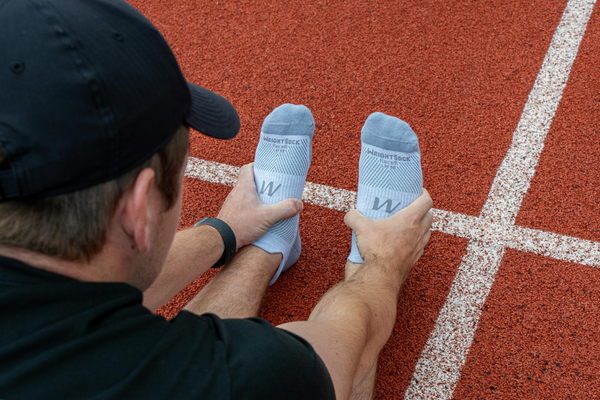
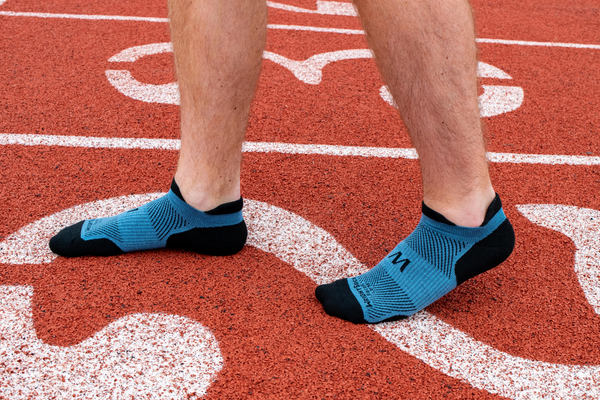
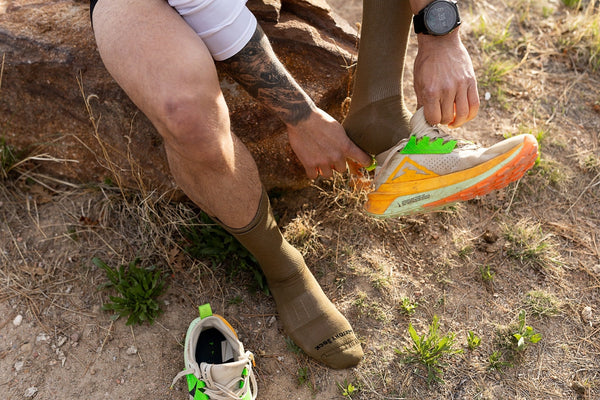
If you want extra cushion socks that prevent blisters, Wrightsock has you covered. We made our name with our patented double-layer socks, which feature an inner layer made with hydrophobic yarn that wicks moisture away from the foot and cools it. The outer layer also eliminates friction by absorbing it before it can reach the foot. While all our double-layer socks neutralize the three main causes of blisters (heat, friction, and moisture), we offer a line of extra cushion socks for those who want additional comfort. Review our full selection of cushion and max cushion socks today. We also have a blister-free guarantee for all of our double-layer socks, meaning you’ll receive your money back if you get a blister wearing them! If you have any questions, please contact us.