Our military servicemen and women undergo seemingly impossible tasks on a daily basis. Unfortunately, the heat, sweat, and friction from military boots create a perfect storm for blisters and discomfort—making the challenge of active duty even harder. So how do we protect those who protect our country? Here is a look at the best military boot socks.
What are the Military Sock Regulations?
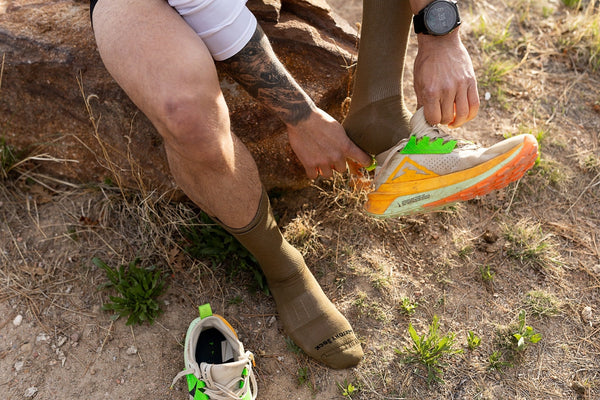
Military sock regulations vary slightly depending on the context. For PT (physical training), socks must be black or white and they must cover the ankle bone. Socks must also not display any logos or insignia above the shoe line. When wearing combat or organizationally issued boots, socks can be tan, green, or black calf-length, cushioned, and stretch type. For more information, page 143 of The Department of the Army’s Pamphlet 670–1 details the different styles and guidelines required by the army.
Where Can You Buy Military Approved Socks?
Can any socks that meet these requirements be worn in the military? Not exactly. Military socks must be durable, cushioned, lightweight, breathable, and able to support military-grade performance. With that being said, you can buy military socks from most major sock retailers. So how do you choose which military socks to buy? One key feature to look out for is blister protection. Let’s take a closer look at why blister prevention is so important with military boot socks.
The Problem: How Military Blisters Form
The heat, moisture, and friction from military training can wear down the layers of the skin. It doesn’t help that the same thick, heavy boots that protect soldiers’ feet intensify all of these factors that contribute to blisters. With each step, march, run, and climb, the layers of skin gradually separate from one another. Eventually, these openings fill with fluid—thus creating a blister. Not only are blisters painful, but they are also highly susceptible to infection.
The Solution: How to Prevent Blisters in Military Boots
So how can servicemen and women keep their feet protected? Socks need to address all three of the factors that contribute to blisters:
- Alleviating heat and hotspots
- Wicking away or absorbing moisture
- Preventing friction and irritation
The military guidelines permit a two-sock system with a standard liner sock for additional protection. While this may help alleviate friction, an extra sock can worsen heat and moisture while creating uncomfortable bulk. As such, many active-duty military members and those in PT turn to military-grade anti-blister socks.
How Anti-Blister Military Socks Work
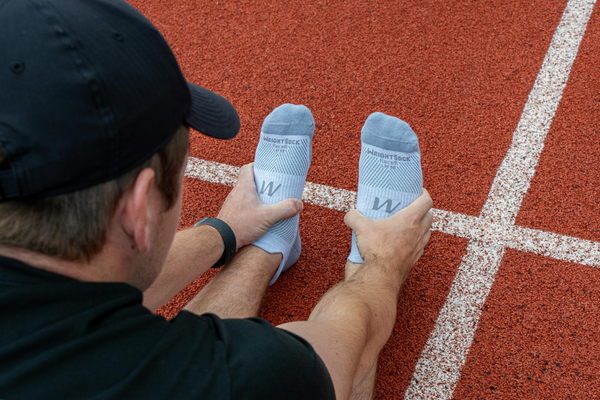
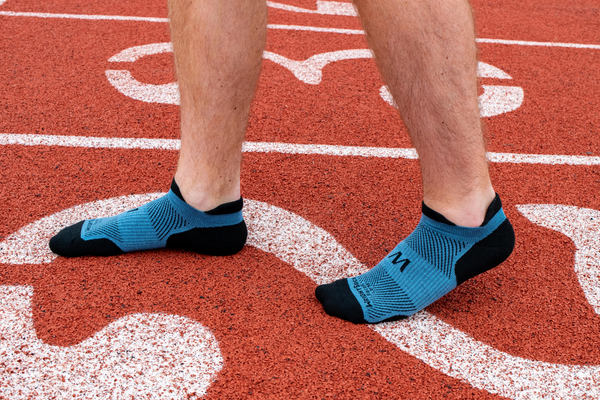
So how do blister-free military socks work? Wrightsock’s Military/Tactical Anti Blister Socks contains a patented Double-Layer™ System that comprehensively prevents blisters without creating additional discomfort. It works similarly to the military two-sock system, but with a cushioned design tailored specifically for military protection. Not to mention, our socks can offer less laundry, bulk, moisture, and odor than the two-sock system. We have military-regulated colors, and we moved our discreet logo to the toe line to prevent any insignia violations. While every company believes they have the best military boot socks, ours are of the few backed by a 100% satisfaction guarantee.
Blister-Free Military Boot Socks | Wrightsock
So are you ready for military socks with powerful protection? Whether you need a gift for your military loved one or are ready to treat your feet to protection on the job, Wrightsock is here for you. Our family-owned business produces American-made socks manufactured in North Carolina, and we only partner with the highest quality materials. We invite you to view our sizing guide, contact us with any questions you may have, or explore our military-approved socks here today.
To all of the military men and women protecting our country, thank you for your service.